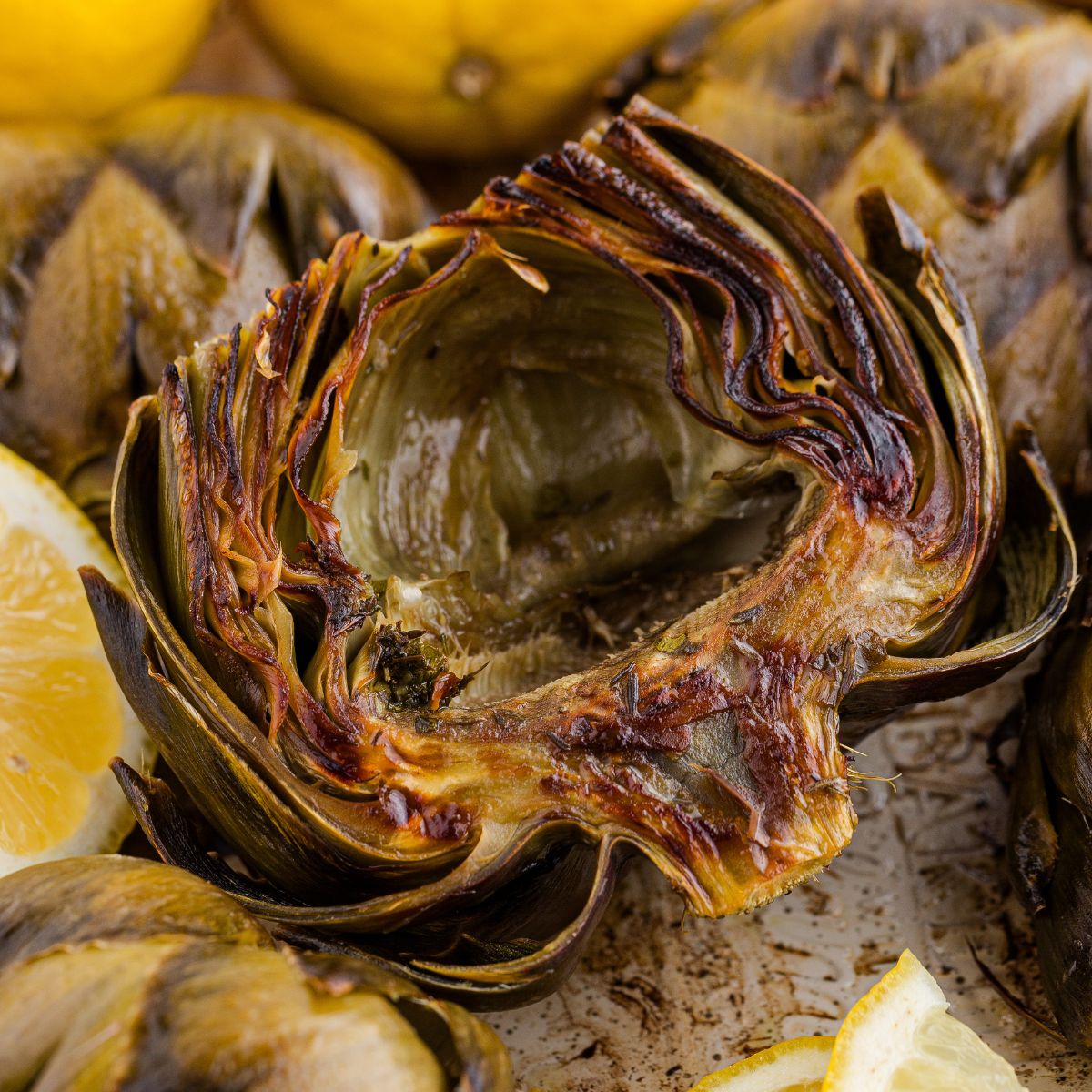
Easy Oven-Roasted Artichokes: Your Guide to Perfect Flavor
Often perceived as a culinary mystery, the artichoke holds a treasure trove of nutty, subtly sweet flavor beneath its thorny exterior. While steaming and boiling have their place, the true magic of this Mediterranean delicacy shines brightest when it's subjected to the dry, intense heat of your oven. Learning how to make perfect roasted artichokes is a game-changer, transforming an intimidating vegetable into an effortlessly elegant side dish or appetizer that will impress even the most discerning palates. Forget bland, watery artichokes; prepare to discover a depth of flavor and a tender, yielding texture that only oven roasting can achieve.
Why Oven Roasting Artichokes is a Game-Changer
If you’ve only ever encountered steamed or boiled artichokes, then preparing oven-roasted artichokes is about to revolutionize your perception of this unique vegetable. Roasting isn't just another cooking method; it's a profound enhancement that elevates the artichoke's natural attributes to new heights.
Unlocking Deeper Flavor Profiles
The dry heat of the oven works wonders, intensifying the artichoke's inherent sweetness and earthy notes. Unlike steaming, which can sometimes dilute flavor, roasting caramelizes the sugars present in the vegetable, particularly along the cut edges and the succulent heart. This creates a richer, more complex taste profile with a delightful hint of char that adds incredible depth. Each bite of a properly roasted artichoke is infused with a concentrated deliciousness that simply can't be achieved through other methods.
Effortless Elegance for Any Occasion
Despite their sophisticated appearance, roasted artichokes are surprisingly simple to prepare, making them an ideal choice for both busy weeknight dinners and special occasion gatherings. The hands-on prep time is minimal, and once they're in the oven, you can largely set it and forget it, allowing you to focus on other aspects of your meal or simply relax. They emerge from the oven beautifully golden and aromatic, making a stunning presentation that looks far more complicated than it actually is. Plus, artichokes are naturally low in calories and high in fiber, making them a healthy and satisfying addition to any meal.
Mastering the Artichoke Prep: From Globe to Gourmet
The initial preparation of an artichoke can seem daunting, but with a few simple steps, you'll be trimming like a pro in no time. The key is understanding which parts to remove and how to handle them to ensure even cooking and maximum enjoyment. This process ensures your roasted artichokes are not only delicious but also easy to eat.
Selecting the Perfect Artichokes
Your culinary journey begins at the market. Look for artichokes that are:
- Firm and Heavy: This indicates good moisture content and freshness.
- Tightly Closed Leaves: Open, splayed leaves suggest an older, drier artichoke.
- Vibrant Green Color: Avoid artichokes with excessive browning or bruising.
- Squeaky Clean: Give them a gentle squeeze; a faint squeak is a sign of freshness.
Step-by-Step Trimming Guide
Proper trimming is crucial for both cooking and eating. Here's how to prepare your artichokes for roasting:
- Stem Trim: Lay the artichoke on its side and use a sharp chef's knife to cut off the bottom ½ inch (or more if the stem is dry) of the stem. You can peel the outer fibrous layer of the remaining stem if desired, as it's quite tender when roasted.
- Top Trim: Slice off the top 1 inch of the artichoke globe. This removes the sharp, inedible tips of the upper leaves and creates a flat surface.
- Outer Leaf Removal: Peel away and discard any small, tough leaves at the base of the artichoke. These are often fibrous and offer little edible flesh.
- Rinse Thoroughly: Rinse the trimmed artichokes under cold running water, making sure to get between the leaves to wash away any potential debris.
- Halving and Choke Removal: Carefully cut each artichoke in half lengthwise through the stem. Immediately rub the cut surfaces with lemon juice to prevent enzymatic browning and add a bright flavor. Using a spoon, scoop out the fuzzy, inedible choke in the center of each half. This is essential, as the choke is unpleasant to eat.
- Leaf Tip Trimming: Using kitchen shears, snip off the sharp, thorny tips (about ¼ inch) of each remaining leaf. This makes the artichokes much easier and safer to handle and eat.
The Ultimate Roasted Artichoke Recipe: Flavorful & Tender
Now that your artichokes are perfectly prepped, it's time to infuse them with incredible flavor and roast them to tender perfection. This method guarantees a succulent heart and leaves that pull off easily, ready to be scraped for their delicious flesh.
Ingredients You'll Need
This recipe focuses on enhancing the artichoke's natural taste with classic complementary flavors:
- 3 fresh artichokes, prepped as described above
- Juice of 2 large lemons (for prep and finishing)
- 2-3 tablespoons extra virgin olive oil (or melted unsalted butter for a richer flavor)
- 6-8 garlic cloves, peeled and roughly chopped or thinly sliced
- Fresh herbs: several sprigs of rosemary, plus optional sprigs of thyme, oregano, or sage
- Coarse sea salt
- Freshly-cracked black pepper
- Optional: Red pepper flakes for a touch of heat, grated Parmesan cheese for a savory crust.
Roasting Instructions
Follow these steps for irresistible roasted artichokes:
- Preheat Oven: Preheat your oven to 400°F (200°C). Prepare a baking dish or a sturdy baking sheet by lining it with parchment paper for easy cleanup.
- Initial Seasoning: Place the trimmed artichoke halves cut-side-up in your prepared dish. Brush the cut surfaces generously with olive oil (or melted butter).
- Stuff with Flavor: Fill each hollowed-out cavity with a portion of the chopped garlic and a few small sprigs of fresh herbs. Season generously with sea salt and freshly-cracked black pepper. If using, sprinkle in a pinch of red pepper flakes or a dash of smoked paprika.
- Flip and Finish Seasoning: Carefully flip each artichoke half cut-side-down, ensuring the garlic and herbs are tucked securely inside. Brush the outer, uncut sides with more olive oil and season again with additional salt and pepper. This cut-side-down approach is critical for locking in moisture and flavor during the initial roast.
- First Roast (Uncovered): Roast uncovered for 15 minutes. This allows the exterior to begin to caramelize and crisp slightly.
- Second Roast (Covered): After 15 minutes, tightly cover the baking dish or baking sheet with aluminum foil. Continue roasting for an additional 25–35 minutes, or until the artichokes are tender. You'll know they're done when an outer leaf pulls off easily, and a knife or fork can pierce the stem with little to no resistance.
- Rest and Serve: Remove from the oven and let cool slightly. Discard the spent herb sprigs (though some people enjoy mixing the roasted garlic into a dipping sauce). Drizzle with fresh lemon juice just before serving. Serve warm with your favorite dipping sauce.
Elevating Your Roasted Artichokes: Tips, Tricks & Variations
While the basic recipe yields fantastic results, there are several ways to fine-tune your technique and customize the flavors of your roasted artichokes.
Expert Tips for Success
- Uniformity Matters: If using multiple artichokes, try to choose ones of similar size so they cook evenly. If some are significantly larger, they may require a few extra minutes in the oven.
- Don't Overcrowd: Give your artichokes space on the baking sheet. Overcrowding can lead to steaming instead of roasting, preventing that desirable caramelization. Use two baking sheets if necessary.
- Lemon is Key: Don't skip the lemon juice during prep; it prevents discoloration and adds a crucial bright acidity. A final squeeze after roasting truly brings out the flavors.
- Check for Doneness: The tenderness test is paramount. An undercooked artichoke is tough and unpleasant. Be patient and roast until the leaves pull off easily and the heart is buttery soft. You can find more comprehensive advice on achieving perfect tenderness in our guide: Unlock Tender Roasted Artichokes: Tips for Amazing Flavor.
Creative Flavor Boosters
Feel free to experiment with the aromatics and seasonings:
- Cheesy Indulgence: For a savory, cheesy crust, sprinkle grated Parmesan or Pecorino Romano cheese over the cut sides of the artichokes before the initial uncovered roast.
- Spicy Kick: Enhance the garlic mixture with a pinch of crushed red pepper flakes or a dash of cayenne for those who enjoy a little heat.
- Smoky Depth: A sprinkle of smoked paprika can add a beautiful color and a delicious smoky nuance to the garlic and herb blend.
- Different Herbs: While rosemary is a classic, try a blend of fresh thyme, oregano, and marjoram, or even some finely chopped parsley. For more ideas on herb combinations, check out Garlic & Herb Roasted Artichokes: Tender, Flavorful & Easy.
- Balsamic Glaze: Drizzle a little balsamic glaze over the artichokes during the last 5-10 minutes of roasting for a sweet and tangy finish.
Serving Suggestions & Pairings
Roasted artichokes are incredibly versatile. Serve them warm with:
- Classic Aioli: A creamy garlic aioli is a perfect pairing.
- Lemon-Herb Butter: Melted butter whisked with lemon juice and fresh chives or parsley.
- Yogurt Dip: A simple Greek yogurt dip with dill, lemon zest, and garlic.
- Balsamic Vinaigrette: A light, tangy vinaigrette can cut through the richness.
- Hollandaise Sauce: For a truly decadent experience.
They make an excellent starter for dinner parties, a fantastic side dish for grilled meats or fish, or a vibrant addition to a Mediterranean-inspired meal.
Frequently Asked Questions About Roasted Artichokes
How do I know when my roasted artichokes are perfectly cooked?
The best indicators are visual and tactile. The outer leaves should pull off easily with gentle tug, and the base of those leaves should be tender enough to scrape with your teeth. Additionally, a knife or fork should pierce the stem and heart with very little resistance. If they still feel tough, simply cover them again and continue roasting for another 5-10 minutes.
Can I prep artichokes ahead of time?
Absolutely! You can trim and halve your artichokes a few hours in advance. To prevent browning, immediately submerge them in a bowl of cold water acidified with a good squeeze of lemon juice (or a tablespoon of white vinegar). Store them in the refrigerator until you're ready to roast. Just drain and pat them dry before proceeding with the recipe.
What’s the best way to eat a roasted artichoke?
Eating an artichoke is an experience! Pull off the outer leaves one by one. Dip the fleshy, tender base of each leaf into your chosen sauce. Place the base of the leaf in your mouth, and use your teeth to scrape off the soft, edible flesh, discarding the fibrous remainder. As you get closer to the center, the leaves will become more tender and edible. Finally, you'll reach the highly prized artichoke heart, which is entirely edible and incredibly delicious. Don't forget to scrape all the fuzzy choke out before enjoying the heart!
Conclusion
There you have it – your comprehensive guide to creating truly spectacular oven-roasted artichokes. This simple yet profound cooking method unlocks the artichoke's natural sweetness and earthy complexity, transforming it into an unforgettable culinary delight. With fragrant garlic, fresh herbs, and a bright squeeze of lemon, these tender artichokes are not just a dish, but an experience. So, shed any intimidation you might have felt, grab a few fresh artichokes, and get ready to impress yourself and your guests with this easy, flavorful, and incredibly rewarding recipe.
